Carousel

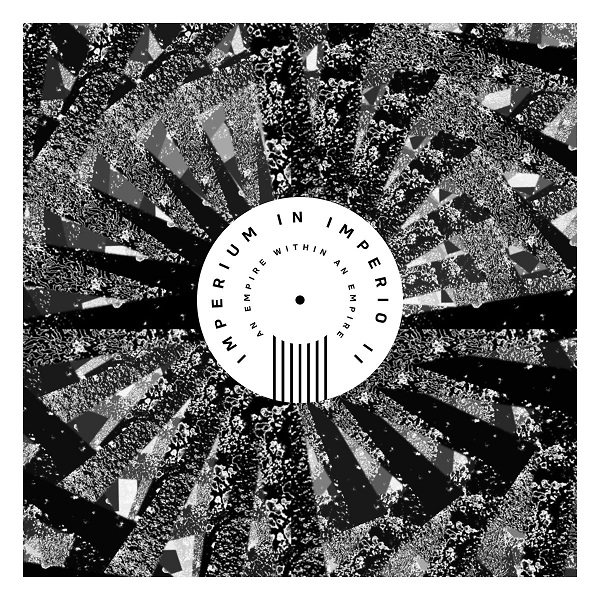
LISTEN: TEEF Records – Imperium In Imperio II

, , No Comment

imperium2

Tommy Faith, founder of the always entertaining and on point Australian music blog Sound Doctrine, started TEEF Records in 2014 and has since clocked up a string of cracking releases from relative newcomers Spirit Faces, Anatole, Arthur Wimble and, most recently, Yon Yonson.

Mid-last year TEEF released Imperium In Imperio, a compilation of exclusive tracks from a veritable goldmine of local talent including Collarbones, Setec and Electric Sea Spider amongst many others. While the TEEF roster leans towards bedroom pop and electronica, the extensive list of artists featured on the compilation cover a lot of ground, stylistically speaking, without losing the sense of cohesion needed to make such releases succeed. And to top it off, the profits from the release were given to OXFAM’s Nepal relief fund, after a devastating earthquake struck the South Asian country in May last year.

Here we are a little over 12 months later, and Tommy’s at it once again with Imperium In Imperio II. Keeping with the eclectic nature of the first compilation, the 18-track second instalment features a slew of great artists with equally diverse and engrossing offerings – from the exquisitely squashed hip-hop entry from Sampa the Great, and the hypnotic warmth of Tracy Chen, to the ghostly 2-step groove of IljusWifmo. Once again the proceeds will be donated to OXFAM, this time for the Syrian refugee appeal, helping OXFAM provide food, water and sanitation to some of the 13.5 million people who have fled their homes over the last five years.

Grab this amazing compilation now and not only will you support this great cause, you will also show some much deserved love to your new favourite label, TEEF.

Read Post →

WATCH: Shady Nasty – ‘Upwardsbound’

, , No Comment

shady nasty

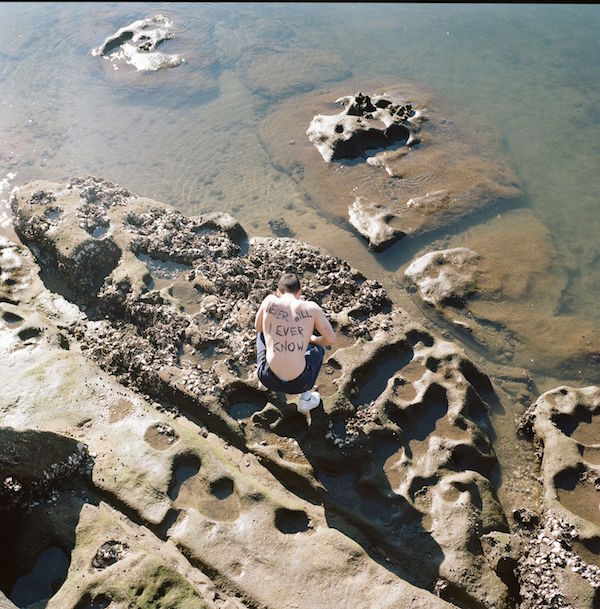
“NEVER WILL I EVER KNOW” goes the cry on Shady Nasty’s hellfire post-punk debut single, ‘Upwardsbound’.

You’ll scream it into singer Kevin Stathis’ face sometime soon I reckon, mutual spit flying across the space between band and audience. Reminds me of going through my La Dispute phase, catching them play an under 18s show at Irene’s Warehouse in 2010, where 16 year olds slammed into each other like amateur wrestlers, basking in the cacophony of angst and noise and Jordan Dreyer’s hyper-poeticised versions of heartbreak.

This isn’t to compare those two bands on any musical level though – Shady Nasty are cut from a wholly different cloth. ‘Upwardsbound’ is scattershot in all the different things it tries to achieve, but it succeeds in every area. Stathis’ wry, knowing vocal delivery; that pin-prick guitar, ascending over the verses. It all converges in a stadium-sized tremolo freak out, over which Stathis cries “but I can’t not feel that I’m sick with envy”. While the sounds Shady Nasty are bringing through aren’t untapped, their delivery is something damn original.

The video going along with ‘Upwardsbound’ has its own sinister edge, but somehow it achieves this with fruit abuse, dry ice, and some liberal head wobble. The band tries to keep up appearances in a cute domestic setting, but the instrumentation makes it sound like the world is ending outside.

As someone comments on ‘Upwardsbound’ on the group’s Facebook page: “there’s tunes, and there’s top notch ridgey didge grungey inner west makeyathink classic tunes”.

Check out the video below, directed by Anna Philips and Sam Brumby.

FacebookSoundcloud

Read Post →

FEATURE: Sarah Mary Chadwick – ‘Roses Always Die’ LP

, , No Comment

sarah mary chadwick LP

I’ve never really been able to listen to sad music when I’m sad. I’ve never had the emotional capacity ‘have a good cry’, wallow in it, let it out and move forward. I’ve kind of always found sadness unbearable and unacceptable. I can’t deal. So I turn it into hate or anger at myself or those who’ve done me wrong. Now I’m not gonna say Sarah Mary Chadwick taught me how to feel sad, cause that’s some trite bullshit. I am gonna say that the themes on her new record Roses Always Die reveal something is so important, but almost impossible to accept: that there’s no shame in feeling bad.

These spare and beautiful songs pick at the stiches of every bad feeling: fear, grief, desperation, loneliness, hopelessness, and examine them with heartbreaking clarity.

Accessing these emotions, for Chadwick, has become routine. I can’t really kid myself that the catharsis I feel from these songs is something I’m sharing with the woman who wrote them, but you know, art’s in interpretation.

‘It’s something that I’ve just got into the habit of doing,’ she says. ‘I think when I used to play in the band [Batrider] and it was more physical and aggressive, that was probably more of a cathartic experience. I think as I get older it’s got both more of a purpose and less of a purpose. I do it more, it’s a bigger part of my life, but it’s become more mundane.’

Routine and boredom seem to be big parts of Chadwick’s creative progression. The guitar that still lingered around in a few songs on last year’s 9 Classic Tracks is gone here, leaving vocals and the organ that Chadwick bought from her housemate for $50 as the only instruments (the drums are the beats built into the organ). Chadwick said that keyboards are just more interesting to her at the moment: ‘it helps that I’m not that good at it. I got to a point when I’d been playing guitar for so many years that was like I just don’t think I can do anything that I’ll enjoy doing with guitar anymore. Maybe with keyboards the same thing will happen.’

There’s something big about these songs. For one thing, organ just sounds important, even if it’s backed up by thin programmed drums and sparse production. But the grandness is also in the way Chadwick builds drama with these few elements. She says that the idea of drama was really the only preconceived notion she had making the record.

‘I wanted to have some big songs. Some of them I reckon ended up sounding like a real Liza Minnelli show tunes vibe. I was telling Geoff [Geoffrey O’Connor, who recorded the album] a couple of times, “Oh yeah, that’s a Liza one”. ‘The Fire That Torched My Fear’ is one – I imagine that as being a big moment in like a musical or something – not in a way that anyone but us would really get.’

I get it. Yeah, probably only because she told me, but now I can’t listen to that track without seeing a ‘Life is a Cabaret’-esque black stage and spotlight, tears streaming down a stark white face.  ‘The Fire That Torched My Fear’ follows ‘Yunno What’, my favourite song on the record for its groovy-ness (the dance track) as much as it’s visceral desperation. Each song easily wounds you on its own, but back-to-back they’re out to destroy you.

Not necessarily just with the bitterness of lines like ‘The Fire That Torched My Fear’s opener why did I expect more from today? I should have let it just be nothing’ but also with that ever-present tenuous hope of the redemption that friends might offer, if you can muster up the courage to ask (‘maybe I’ll see someone who cracks me up all night / someone who’ll make it feel alright’).

‘Four Walls’ is the shortest song on the record but the most intense and claustrophobic. You can hear Chadwick’s fingers moving over and hovering on the keys, while she sings, I’m guessing, about the responsibility of living for someone who’s gone, trying to be witness to their life: ‘some things speak through me / and I can feel your pain wild and free’. This intimacy may have been helped by the way the organ was recorded. Because it was too big to be moved, Chadwick had to record everything in her apartment. Which, she says, made things easier.

‘We live in a big warehouse style apartment thing, and I think that really worked for the recording – if we lived in a tiny dead apartment thing it wouldn’t have. I think we did the tracking over a day or two, tops. And then all the vocals I recorded in his studio.’

She continues, ‘I actually wrote 9 Classic Tracks on the same organ, but when I recorded with Geoff the first time, to be honest I think he didn’t trust me. He was like, ‘Um let’s just record it on this synth…’ And because I hadn’t done anything like that before I didn’t mind at all, and I think that sound really worked for that record. But this time I wanted to use the organ I wrote it on, just to make sure it sounded different from the last [record].’

It’s easy to assume that every sad song is about sex and relationships – especially when you’re young and privileged and nothing else particularly bad has gone wrong in your life (hello!) – but there’s a lot of different kind of pain in here. Chadwick’s father and close friend died very close together in the last year, and she says obviously that influenced the record a lot, as did starting psychoanalysis. She says she’s become more interested in her own motivation – ‘there’s a lot in there: what makes things happen and what’s propelling things, why things happen’ she says.

The frankness of her own self-examination is instantly appealing. ‘I’ve never been worried about admitting the bad things about myself, or someone else,’ she laughs. But she says it might also be slightly defensive. ‘Maybe that’s a bit of inoculating yourself against bad things, or being surprised. Because if things go to shit you can be like – well, I knew that was gonna happen’.

While the record might not be overtly about physical and romantic connections, they’re still in there, still affecting everything else – you can’t put your traumas in a line and deal with them one by one. There’s no song that’s just about death or just about sex or just about hope; Chadwick’s stories are way too complex and whole for that. ‘Turn On’ deftly mixes intimate imagery and beauty with grief in lines like ‘I believed your skin would cauterise me’ or the picture of ‘a stupidly idyllic cemetery’. The vocals here are fuller than the rest of the record, dark whispers fill up the background while Chadwick’s voice strains under the weight of her loss, front and centre.

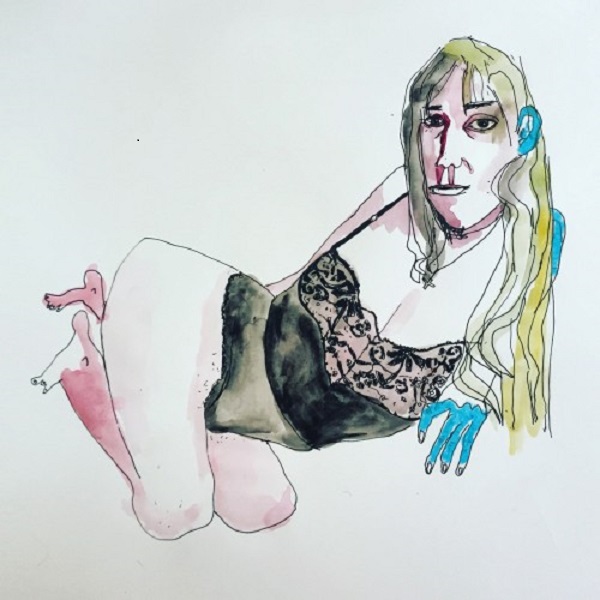
Maybe one of the reason it’s hard to separate these songs from sex and love is the art that has accompanied most of Chadwick’s music since 9 Classic Tracks. If you’ve seen much of her very cool, uninhibited pen and water colour pieces featuring sex and sex acts, it won’t surprise you that most of the subjects are directly copied from porn. But the way she describes it as inspiration is with characteristic subtlety and thoughtfulness.

‘I think porn’s really interesting’ she says ‘it’s people’s base instincts and there’s all these power dynamics and it’s a little bit seedy and a little bit hot and a little bit lame and problematic and there’s so much stuff going on in there, it’s never boring’. Like in Chadwick’s music, nothing is ever just one thing in these visual works.

It’s also shown her something about the perceived value of art. ‘There’s something kind of weird about it,’ she says. ‘If I did a song or whatever, you can buy that for a dollar on Bandcamp. But all the feelings in the world went into writing it, then me and Geoff did the tracking, then the vocals, then he mixed it and it got mastered and someone from Rice is Nice promoted it. Whereas I can sit down and watch some porn while I’m watching Bridgette Jones’ Diary in the background and draw a picture and I can sell it for like $100! It just cracks me up, how much effort goes into one or the lack of effort that goes into the other.’

There’s kind of pure joy in these drawings that comes from self-destruction and abasement – when you’re heading towards someone with open arms, asking them to fuck you up/ just fuck you. You can  hear it on the record too, most notably in single ‘Cool It’ – which comes around with some arse-moving drums and some deep and slinky base notes.

It’s hazy and kind of dangerous; ‘you’re not my good time… Unless you wanna be / I could do with a little pick-me-up/ and looking into your eyes/I wanna test out some limits’ she sings, before the song ends to slide into ‘The Man in the Flags’, where she becomes the wise friend consoling someone else. ‘I can see you’re reeling / from that last punch you’re still bleeding / she is nothing more than dead wax / and when her hold over your heart slacks,’ she sings over a jittery high hat and snare sound and a keyboard solo straight out of a sea-shanty – a false kind of joviality that sounds like putting on a happy face for the sake of a friend.

Chadwick leaves the end of the record for the more quiet and delicate moments. Like in late highlight ‘Make a Boundary’, with it’s startlingly beautiful melody in a chorus carried by vocals that catch at all the right moments. That song and the strained, empty-sounding ‘Right Now I’m Running’ make up her last exhausted shout – ‘blackened by the fire’ – wanting to be able to end things and walk away with something left, but ending up giving it all away anyway.

But she still can’t resist finishing with one eye on the hope of other people: ‘hey your eyes light up / and hey your mouth seems smart / and hey look the sun’s up’.

Different parts of the cycle of hope, loss, disappointment and trying again that makes up pretty much everyone’s whole life, are scattered over this record. There is progress, but it starts and stops, moves backwards, sometimes gives up. The absolute honesty and self-knowledge with which Sarah Mary Chadwick approaches this cycle makes her an artist to be in awe of. Roses Always Die is an album that makes you wanna be brave, to make any shame in sadness cower under that beautiful, real-shit, truth.


Roses Always Die is out on Rice is Nice Friday August 5.

And, if you really wanna hear some guitar, Chadwick is releasing a seven inch on a Swedish label later in the year with two guitar tracks that were cut from the record.

Sarah Mary Chadwick is touring around Australia, and will be in:

Melbourne at the Northcote Social Club on September 1

Sydney at the Newtown Social Club September 3

Brisbane at Trainspotters on September 17

Read Post →
LISTEN: Two Steps on the Water – ‘God Forbid Anyone Look Me in the Eye’ LP

, , No Comment

2steps

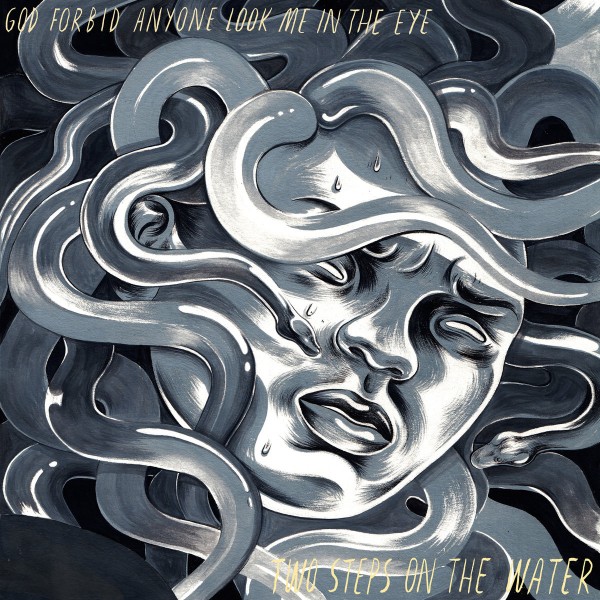
Album art by Lee Lai

God Forbid Anyone Look Me in the Eye, the debut album from Melbourne trio Two Steps on the Water, dropped just over a week ago. Smack bang in the middle of 2016, the year of woke Facebook bubbles and a music industry that’s rolling over from it’s rock dog decades and letting diversity seep in, if it’s loud and persistent enough. Enter: June Jones. A formidable songwriter, guitarist and singer willing to unpack transness, trauma and a raft of other internal gordian knots backed by the country/folk/punk (or emotion punk) coupling of Sienna Thornton on violin and Jonathan Nash on everything else. Both help with the vocals throughout, tempering Jones’ throttling falsetto or providing the hooks upon which she drapes delicate, devastating melodies.

Initial reviews of their debut have ranged from gentle “it’s not everyone’s cuppa” to outright “not getting it”. It’s definitely a record that requires a response, not at all something to casually play in the background. The track from which the title phrase is pulled ‘My Medusa’ turns from lulling violins turn to flamenco-y guitar to a crescendo of Jones, Thornton and Nash demanding “Don’t look me in the eyes/ I need to breathe.” It’s the early introduction to transness, anxiety and other heady themes Jones’ spits out with gripping eloquence.

It’s followed by ‘Baby and the Bicycle’: “Just leaving the house is political / baby wants a form that’s neutral.” There’s no relief from Jones’ heavy one way conversation at any point on this record, but she translates her pain and heeartache in a way that’s captivating and even funny. The density of each track makes me think we’re barely glimpsing the surface of what Jones is capable of; this bare catharsis that we have the privilege of witnessing is just a selection.

On top of the lyrical bedrock of God Forbid… is the ferocious nylon-stringed guitar that receives her anger, fear and frustration and shoots out propulsive rhythms at lightning speed. Thornton’s violin parts oversee the whole operation, piggybacking Jones’ voice with harmonies and counter-melodies. Nash covers the drums, bass and the organ that quietly backs the “relationships can get royally fucked” track ‘Ships in the Night’. The almost equal attention given to violin, guitar and voice across the album brings the lyrics into sharp focus, and the 9 minute closer ‘Words in my Mouth’ ties them all heart-wrenchingly together in an ear-splitting falsetto, a physical reaction to the pain of years past and ongoing.

Two Steps don’t write songs for the attention of straight cis (me af) music writers or ~lovers~, and Jones’ unapologetically honest account of being queer, trans, in love, healing and every space in between is exactly the kind of sentiment you should be able to wear on your sleeve as a songwriter. You could say Jones’ is mining her past experiences on God Forbid… if it weren’t so clear that she is still working through all of this every day. Just listen to every song, pay attention and take what Jones is saying to heart. It deserves your attention.

I’ve heard excellent things about the Two Steps live show, and you can catch them at the end of this month in these places:

Melbourne – August 19th

Brisbane – August 27th

Sydney – August 26th & 29th

Facebook / Bandcamp

Read Post →

INTERVIEW: Chasing Paradise with Lucy Roleff

, , No Comment

P1090104

I’ve met Lucy Roleff a little way down the road from Triple R studios. She’s finished up doing an in-studio performance of her song ‘Every Time’ on The Grapevine with Kulja Coulston and Dylan Bird, and now we’re sitting over our hot beverages of choice, picking through the last couple years of writing and travel that led to the release of her new album, This Paradise.

As someone to sit down and chat to, Roleff certainly doesn’t channel the crystal fragility that comes through on a lot of her records. Lively and seemingly constantly amused, she’s honest and self-deprecating about her musical career to the point where you could be tricked into thinking she isn’t making some of the best folk music around. She carries a small notebook and pen neatly tucked into a plastic sleeve, possibly a home for the many illustrations that find their way into watercolours and drawings on her blog, but today we’re together to talk about her new record.

This Paradise is a considered and deeply rewarding album, and while Roleff is clearly a passionate musician, a life lived through records and microphones in the traditional album cycle sense isn’t something she’s interested in being defined by. This Paradise is composed of songs of varying ages; the longest and most verbose on the record, ‘Two Children’, is around five years old, having been written around the same time as songs that eventually showed up on her 2013 EP, Longbows.

‘They just kind of trickled together over time, and then when I knew I was going to record the album that’s when I had to sit down and go, “which songs am I going to use?”. I think I had eleven songs all together…one of them was really recent; I wrote it when I was learning the harp. It was kind of a mix of years of songs, going back through the back catalogue.’

Roleff says she isn’t prolific, but later tells me a story about how she came across binders lying in some disused part of her closet, holding songs from different periods of her life. Songs about boys, ditched partly in an effort to create a stronger voice for herself, but also to stop getting teased; songs about esoteric concepts, songs about Dalmatians, even. This Paradise sounds like a consolidation of these binders (without the boys and Dalmatians, though). It skips through varying phases of life and the concerns held within. Whether or not the album is going to go the way of those dusty old binders – shuffled away within a closet, to be discovered later in life as a time capsule of these past few years – Roleff isn’t sure.

P1070836

During the recording of This Paradise, Roleff and producer Tony Dupé (Holly Throsby, Jack Ladder, Sui Zhen) made use of an old hall built off a house Dupé once inhabited. Apparently it had been used as a kindergarten at one point or another, a bathroom to the side equipped with tiny basins and toilets for the little ’uns, which Roleff described as ‘really spooky’. Over the course of three days they recorded vocals and guitars, Dupé often pausing their focus so they could go for a walk to browse the local Salvos or watch YouTube videos.

Roleff says the space itself found its way onto the recording – ‘Especially on songs like ‘Haus’ and ‘This Paradise’, which are kind of meant to be lofty and enormous. We had a lot of mics set up around the room, getting the ambience.’ The use of the hall didn’t stop there; electronic guitar and bass were pumped into the room through an old amplifier and re-recorded by Dupé.

This Paradise is, in large part, carrying on the influences established on Longbows: European art and literature have a major influence here.  Roleff says, ‘[its] the idea of tradition, I suppose. Or maybe because of my classical training I’m drawn to strange intervals or whatever. I never try, I’m never like –’ putting on her best stuffy musician-academic voice for effect – ‘I’m gonna make it really interesting and weird so people think I’m cool – “it’s so Motzartian, Wagner was a big fan of this method” or whatever’.

That European influence is homegrown, too. Sandwiched between a German dad who still bursts into operatic song at the kitchen table, and who Roleff describes as being ‘pretty damn German’, and a Maltese mother, Roleff says her upbringing in Melbourne’s Ferntree Gully didn’t expose her to the Anglo culture that dominates the childhoods of many Melburnians.

‘Growing up, family was our friendship group. My parents never really had friends outside of our family. My cousins and I are basically siblings; raised in each other’s households, that whole thing. That seems to be a European thing, especially when they’re immigrants.’

I ask whether a song off the record, ‘Haus’, is inspired by her childhood home, but its genesis was more a conceptual place than a lived one – ‘kind of the sense of being trapped in [an old house]. In the verses I talk about the decaying house and the lushness of the garden, but in the chorus it talks about there being a gate, so there’s a way out.’ Roleff’s style isn’t totally owing to Europe, though. She tells me that ‘Haus’ is also inspired by the 1977 Nobuhiko Obayashi film Hausu, a psychedelic horror freak-out in which a house tries to devour a group of Japanese schoolgirls.

Unlike her father, who still performs in choirs at the age of 82, Roleff doesn’t find herself inevitably drawn to the stage as a performer. ‘I just…don’t. I don’t wake up in the morning and need to go play a show. The music is the end goal for me. I like [performing], I definitely get a kick out of it, but I need to be pushed to do it. Maybe because I’d been doing it since I was a kid I got fatigued…When I think about that road-dog, rock-show kind of lifestyle, I get deeply despondent.’

This Paradise has roots in those burnt out and anxious feelings. On the title of the record itself, Roleff explains, ‘I went through a lot of anxiety, and when I was going through that I got confused about what “real happiness” was. The word “paradise” would get thrown around, and I would just think, “what does that even mean, I never feel that”. I think it was about touching on that and getting an idea of what it was, or a reflection of it. It’s elusive.’


Lucy is launching her new album This Paradise at The Gasometer Hotel on July 28th.

This Paradise is out on Lost and Lonesome Records.

Facebook / Bandcamp

Read Post →

LISTEN: Scraps – ‘TTNIK’ LP

, , No Comment

scraps

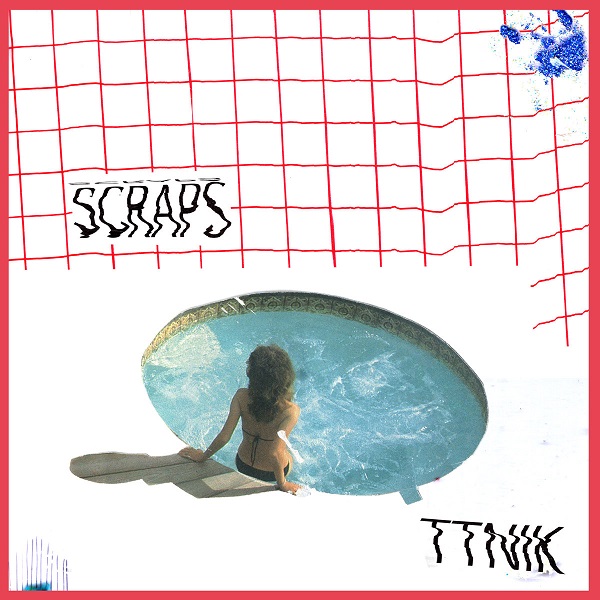
Isn’t it cool when someone who you really love from their mad funny Facebook presence and their anxiously magnetic live shows releases something that’s more than the sum of all those adjectives? I love Scraps (Laura Hill, from Brisbane) cause she’s been making synth pop music in Brisbane since way back when everyone else was still doing the Ty Segall thing. TTNIK (uh, said ‘Titanic’ obviously), Scraps’ third LP, is a fun record that’s brave enough to be kind of naïve and guileless in parts – you’d have to be real committed to your unimpressed vibe not to wanna move around to songs like the whispery and scattered ‘Touch Blue’ or sleek new-wavy ‘She Devil’.

It’s also got those slowed down interludes and random talking parts that mean they could put it under the ‘weird’ tag on Bandcamp. I get it – even though it seems kind of lazy to call songs like ‘Relate to You’ weird or unsettling: anything with out-of-sync piano will always sound like it’s straight of a ‘hysterical woman spirals into madness’ movie. But there’s still something about the rave-y drum machine over the spacey vocals singing ‘You feel so good in my mind / I wanna relate to you’, trying to reach out to the listener through the effects, that creates kind of a desperate and dangerous mood.

‘Harlequin’ is the necessary counterpoint to ‘Dreams’, the LP’s hopelessly romantic opening track where everything’s a little too good to be true. Here the vocals are buried; the drums plod forward. Nothing’s effortless anymore and the sad beauty of her voice sometimes strains and cracks with feeling. It’s probably my favourite track on the record.

There’s a great focus to TTNIK – there’s heaps of stuff going on here, but it flows smoothly and moving from one beat to the next is never jarring. That might be ‘cause Hill recorded and produced it herself – this is what happens when an artist gets to represent their own vision from start to finish. It just works.

TTNIK is out on Moontown (that Canberra label that seems to love snaking Brisbane’s most interesting releases) right now. If you’re lucky enough to also live in the New World City, Scraps is playing on Friday at The Haunt with our favourite Tasmanians Treehouse, and well as Brisbane big dogs Per Purpose, Brainbeau and Amaringo.

Facebook / Bandcamp

Read Post →

LISTEN: Make More – Spend Life LP

, , No Comment

13524353_1050352408369012_3598143246498571126_n

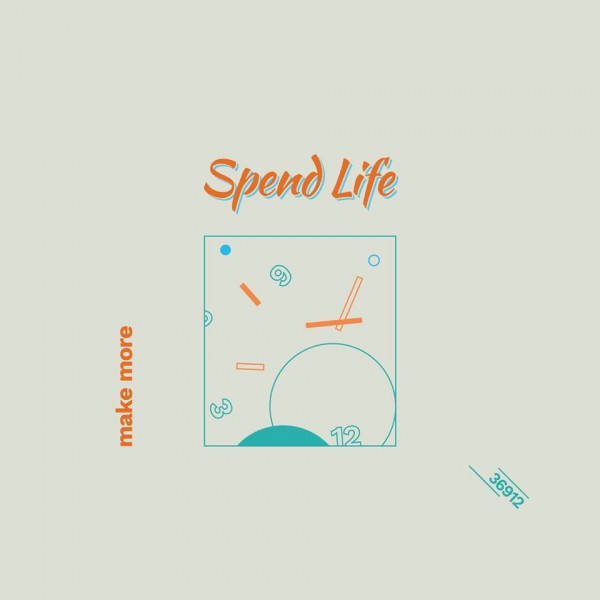
While we’re trying so hard to have a legitimate winter right now, Brisbane trio Make More are dragging me back to Queensland summer. Their debut record Spend Life gives off the sticky feeling of living every moment under a relentlessly bright sun, the kind that makes you look happy even when you feel like shit. Spend Life is a succinctly packaged debut that blurs the lines of every genre it draws from, with each two-word titled track rarely breaking three minutes. The whole thing sounds urgent, the guitars sweating under the suppressed cynicism of each lyric. 

The best thing about Spend Life is that its strengths do more than compensate for its (few) weaknesses and prove there is still room to produce something original on an indie rock record. Six-stringed melodies bury sharp observations about relationships both intimate and universal. It took a few listens to unearth gems like the lone phrase in opener and lead single ‘Best End’: ‘You’re an idealist with no idea / I heard you went on a trip around the world / now you’ve think you changed it.

Lyrically each track is built off a passing thought sprouted from a feeling – disillusionment, disappointment and certain apathy seethe underneath distractingly big riffs with the end product forceful optimism: if I shout things that suck underneath insistently peppy guitars things will get better, or at least it’s worth a shot. ‘Dead Hands’ is a balance of harmonised guitars and counter-melodies, heady bass and stunted, one-syllable-at-a-time vocals, while title-track ‘Spend Life’ closes the album appropriately enforcing the finality of the past and how history is an immovable shit etc. It must be an important theme for the guys, because this is one of the only tracks where the vocals take precedence over guitars in the mix.

Errol, Josh and Simon (surnames unknown/mind your own GD business you nosey B) also play in punk band To The North, and have pasted that band’s propulsive rhythm section straight into Spend Life, injecting feverish punk moments and pushing the sound away from the guitar pop brush I want to paint Make More with. It’s hard to call an album free from any comfortable verse-chorus-verse structure any flavour of pop, but it’s a decision that has paid dividends as an important point of difference between Make More and other jangle punk bands like Boomgates and Thigh Master. Think less Dick Diver, more Unity Floors

Make More are feeling feelings, and feeling them fast. They’ve made an album out of influences that constructed differently have been proven to be offensively boring (part indie rock, part punk, part melodic guitars) but have done it with subtlety and skill. Spend Life is a great record to turn up loud and scream your grossest most undeniable secrets to.

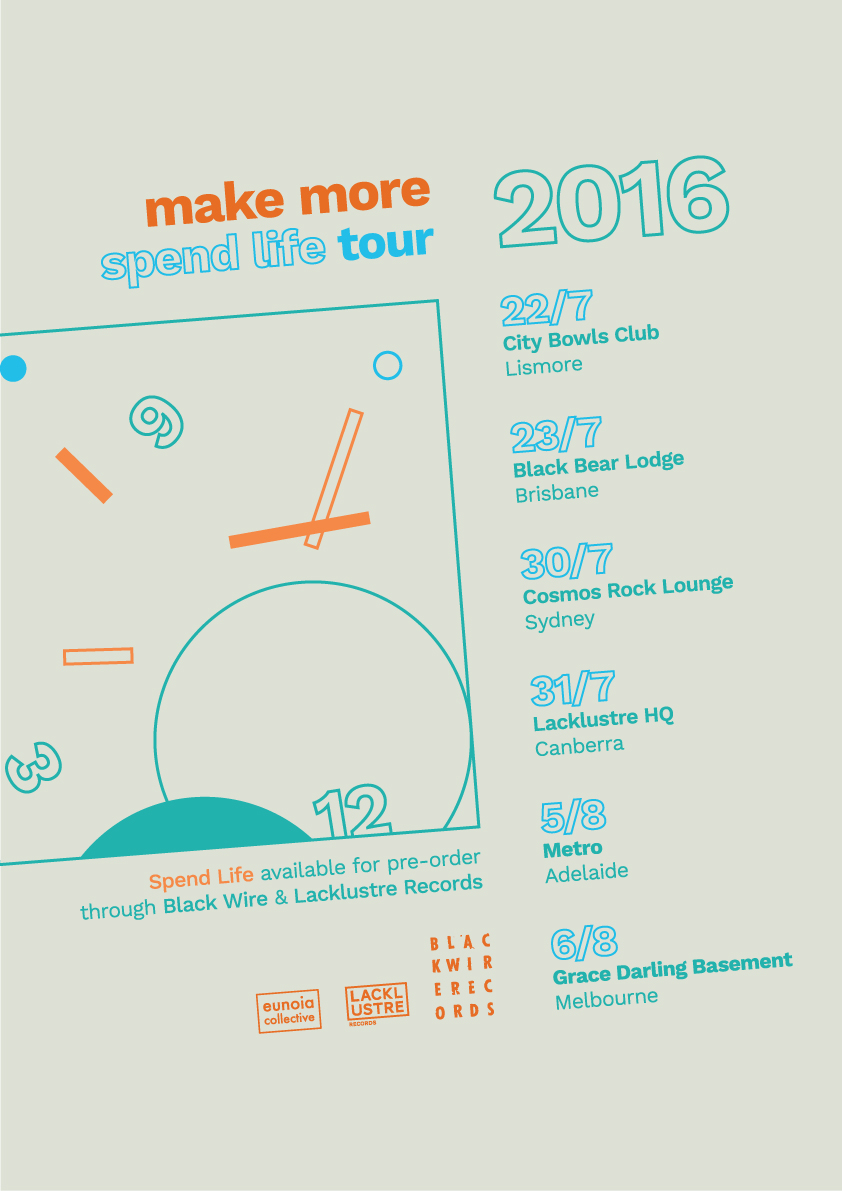
Sneak a listen here ahead of the official release through Black Wire Records and Lacklustre Records, and catch the album tour (dates below).


MKMR_AlbumTour_Final

Facebook / Bandcamp

Read Post →